
April 13th, 2026
Visit Today
Work With Us

Online rhythms, offline health
Practical ways to help your child thrive in an online learning environment
Online learning has become a regular part of many students’ lives, whether by choice or in response to unavoidable circumstances. While it offers flexibility, it also requires families to create new rhythms at home. Striking the right balance between structured online learning and healthy offline habits is key to helping children thrive.
Here are some practical ways you can support your child’s success.
Create a strong foundation at home
A supportive environment makes all the difference when it comes to online learning.
 1. Set up a dedicated learning space
Create a space that helps your child focus and feel ready to learn:
Choose a quiet, well-lit area (not a bed)
Keep essential supplies nearby (chargers, notebooks, pens)
Limit background distractions like TV or gaming devices
If possible, avoid using the bedroom as a learning space
A consistent workspace helps signal to your child that it’s time to focus.
 2. Create a clear daily routine
Structure provides stability and reduces stress:
Keep consistent wake-up, school, homework, and bedtime routines
Build in short breaks between classes
Post the daily schedule somewhere visible
A predictable routine helps children stay organized and mentally prepared.
 3. Help them stay organized
Organization is a skill that needs to be taught and practiced:
Use a planner or digital calendar
Check your school's LMS daily for assignments and updates
Encourage breaking large tasks into smaller, manageable steps
When students feel overwhelmed, helping them take the first step can make all the difference.
 4. Build movement into the day
Physical activity is essential for both focus and well-being:
Encourage short walks or stretch breaks
Make time for outdoor activities when possible
Movement boosts concentration, energy, and mood.
Support your child beyond the screen
Thriving in an online environment goes beyond academics - it includes social, emotional, and mental well-being.
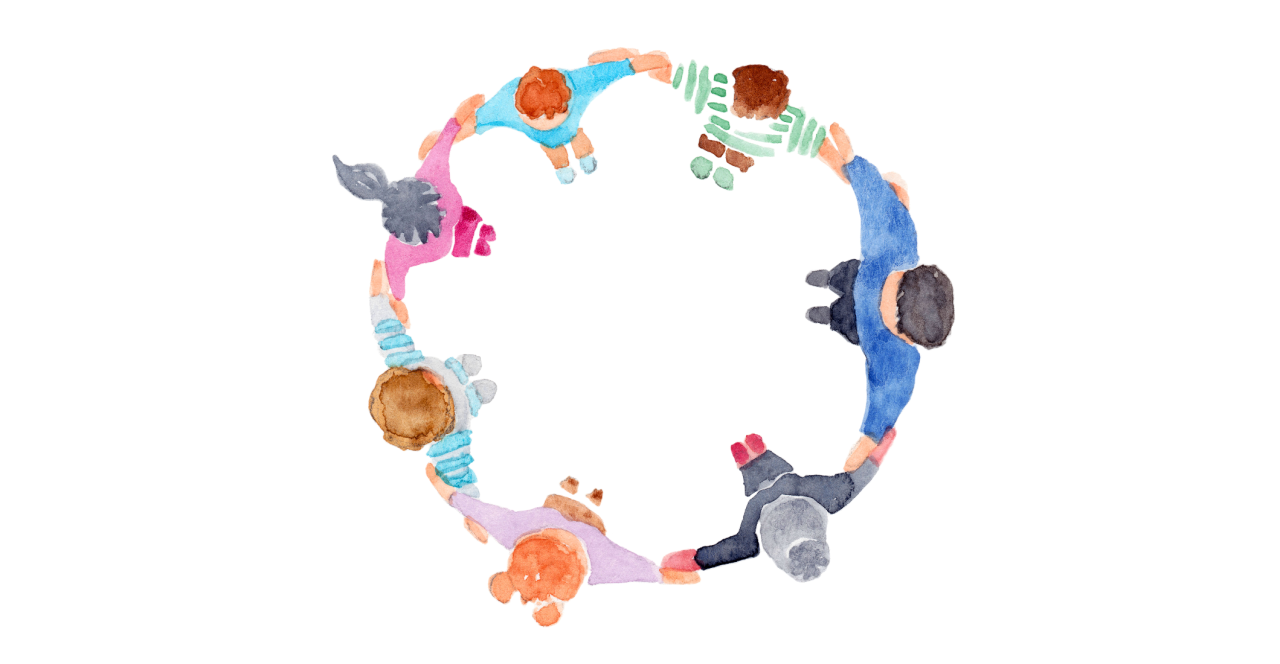 1. Maintain social connections
Children still need meaningful interaction:
Encourage safe ways to connect, such as video calls or study groups
Where possible, allow safe in-person playdates or meet-ups
Social connection remains a vital part of development.
 2. Monitor screen time wisely
Not all screen time is the same:
Distinguish between academic and recreational use
Encourage offline activities after school (reading, exercise, hobbies)
Set reasonable boundaries without being overly restrictive
Balance is key to avoiding screen fatigue.
 3. Focus on mental health
Emotional well-being should always be a priority:
Watch for signs of stress, anxiety, or withdrawal
Normalize feelings of frustration - online learning and uncertainty can be challenging
Encourage open conversations about how your child is feeling
Be mindful of the impact of social media and news
.png) 4. Emphasize effort over perfection
4. Emphasize effort over perfection
A growth mindset helps children stay motivated:
Celebrate progress, persistence, and effort
Avoid placing too much focus on grades
Use encouraging language like, “You’re improving” rather than, “You should know this”
Children are more motivated when they feel supported rather than judged.
 5. Be flexible and realistic
Some days will be harder than others - and that’s okay:
Accept that productivity will vary
Adjust expectations during extended periods of disruption
Give yourself and your child grace
Online learning is a shared journey, and flexibility helps everyone navigate it more successfully.
A shared commitment
At WellSpring, we are grateful for the partnership we share with our families. By working together to create supportive routines and prioritize well-being, we can ensure that our students continue to grow, learn, and flourish - wherever their classroom may be.
Want more tips for families in Ras Al Khaimah?
Stay connected with The WellSpring Private School blog for helpful guides, parent tips and community news.
Follow your calling
Help us inspire our students to make a life-changing difference for the common good.